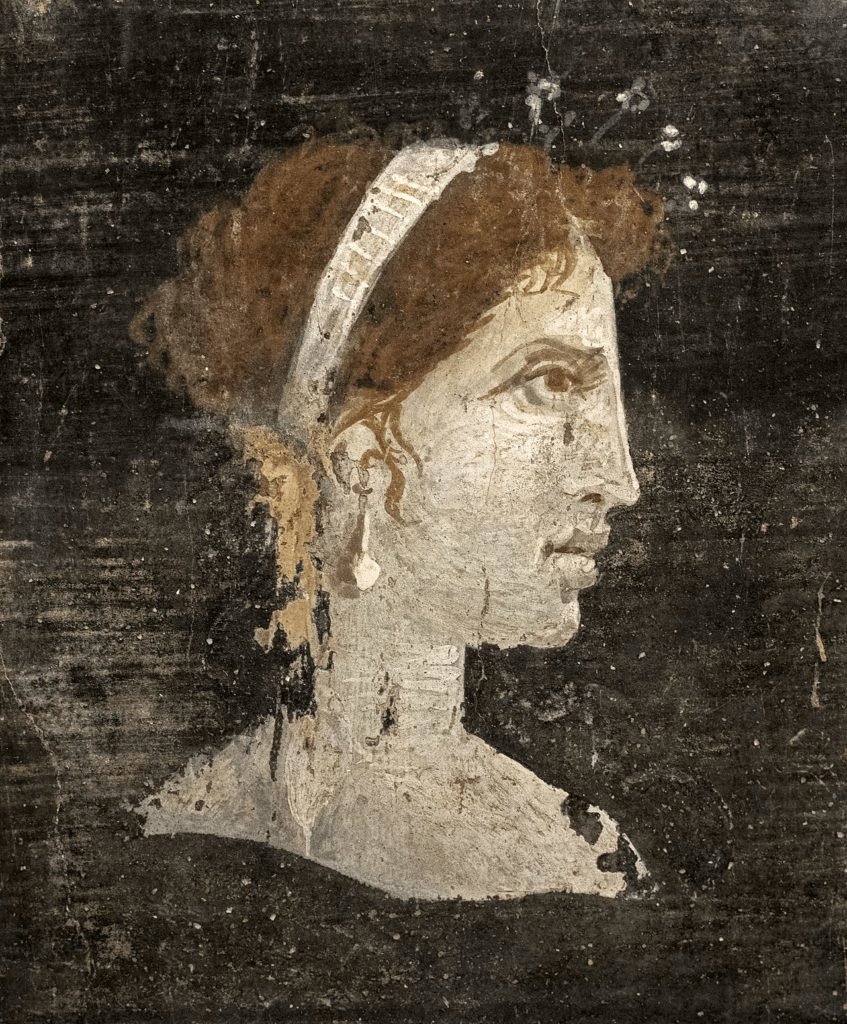
Step into almost any corner of global popular culture—from blockbuster films to fashion trends, video games to literary masterpieces—and you’ll inevitably encounter a figure of unparalleled mystique and enduring allure: Cleopatra. Her image, deeply ingrained in the collective consciousness, isn't just a historical footnote; it's a vibrant, evolving tapestry that reflects our own desires, fears, and fascinations. We’re not just talking about an ancient queen here; we're exploring '流行文化中的埃及艳后形象' (Cleopatra's image in popular culture) as a dynamic, potent force that continually reshapes our understanding of power, beauty, and female agency.
How does a ruler who reigned over two millennia ago still capture our imaginations with such intensity? Why does her story, often more myth than fact, remain so compelling across diverse media and cultures? Let’s unravel the threads of her remarkable journey from historical figure to an immortal cultural icon.
At a Glance: Cleopatra's Enduring Legacy
- More Myth Than History: Popular culture often prioritizes dramatic narratives over historical accuracy, shaping a romanticized, sometimes exaggerated, image of Cleopatra.
- A Symbol of Power & Seduction: She represents the ultimate femme fatale, a powerful queen who used her intellect and charm to navigate a man's world.
- Hollywood's Grand Narrator: Major films, particularly the 1963 epic, have solidified her iconic look and personality for generations.
- Constantly Reinterpreted: Modern artists and storytellers continue to adapt her story to explore themes of feminism, identity, and political intrigue.
- Beyond Egypt: Despite being the "Queen of Egypt," her lineage was Greek (Ptolemaic), a nuance often lost but critical to understanding her historical context.
From Ptolemaic Pharaoh to Global Phenomenon: The Real Cleopatra (Briefly)
Before we dive into the dazzling world of her popular image, it’s worth a quick reality check on the woman herself. Cleopatra VII Philopator was the last pharaoh of the Ptolemaic Dynasty, a Hellenistic Greek kingdom that ruled Egypt for nearly three centuries following Alexander the Great's conquest. Born in 69 BC, she was a direct descendant of Ptolemy I Soter, one of Alexander’s generals. This means that while she ruled Egypt, her heritage, language, and much of her court culture were distinctly Greek.
Her reign (51-30 BC) was a tumultuous period marked by the decline of Egypt and the rise of Rome. Cleopatra was not merely a pretty face; she was an astute politician, a multilingual intellectual, and a formidable strategist who fiercely fought to preserve her kingdom's independence. She famously allied herself with two of Rome's most powerful figures, Julius Caesar and Mark Antony, not out of naive romanticism, but out of a desperate, calculated effort to secure Egypt’s future. It was a high-stakes gamble that ultimately failed, leading to her dramatic suicide and the Roman annexation of Egypt.
It's crucial to acknowledge this historical backdrop because popular culture often strips away these complexities, presenting a simpler, more sensationalized narrative. While Cleopatra was certainly a powerful female ruler, as was Hatshepsut much earlier in the New Kingdom era—who, much like China's "Queen Dowager Xuan of Qin," wielded supreme power as regent and propelled Egypt to new heights—Cleopatra's context was unique, perched on the precipice of a new world order. The question then becomes: how did this shrewd Hellenistic queen transform into the universal symbol we know today? You can Learn more about Cleopatra and her historical reign to get a deeper understanding.
The Allure of the Exotic: Why Cleopatra Captivates
Cleopatra’s enduring appeal isn't accidental; it’s built on several potent ingredients that resonate deeply with human psychology and storytelling traditions.
The Beauty Myth: A Legendary Facade
In popular culture, Cleopatra is almost synonymous with unparalleled beauty. We imagine almond-shaped eyes, perfect skin, and an intoxicating gaze. Yet, historical accounts suggest her true power lay not in conventional beauty but in her intelligence, charm, and captivating voice. Plutarch, an ancient Greek biographer, noted that her actual beauty "was not in itself altogether incomparable, nor such as to strike those who saw her." Instead, it was her "irresistible charm," her intellect, and her multilingualism that won hearts.
Pop culture, however, prefers a simpler, more visually stunning narrative. This emphasis on her physical allure has made her a fashion icon for centuries, inspiring everything from dramatic eye makeup to flowing gowns. The very idea of the "Cleopatra look" is a powerful testament to this enduring, often fictionalized, beauty standard.
Power and Seduction: The Ultimate Femme Fatale
Cleopatra embodies the ultimate femme fatale—a woman who uses her sexuality and intellect as instruments of power. Her relationships with Caesar and Antony are consistently portrayed as epic romances, often overshadowing their political significance. This narrative taps into a primal fascination with forbidden love, high stakes, and a woman who can command the loyalty and devotion of the world's most powerful men.
This archetype makes her endlessly adaptable across different genres. In some portrayals, she’s a villainess manipulating men for her own gain; in others, a tragic heroine fighting for her people. Regardless of the moral framing, her agency—her ability to shape events through wit and wiles—is consistently emphasized, making her a compelling figure for both admiration and cautionary tales. This powerful persona often leads to feminist reinterpretations of historical figures, seeing her as an early trailblazer.
The Clash of Civilizations: East Meets West
Her story also embodies a dramatic collision of cultures: ancient Egypt's exoticism against the might of the Roman Republic. Cleopatra, as a Greek ruler in Egypt, serves as a bridge between these worlds, embodying the "mysteries of the East" to a Western audience. This East-meets-West dynamic adds a layer of intrigue and grandeur, making her tale ripe for epic storytelling.
The exoticism of ancient Egypt—its pyramids, hieroglyphs, and rituals—provides a visually rich backdrop for her narrative. This setting amplifies her mystique, making her appear not just a queen, but almost a goddess, imbued with ancient magic and wisdom.
Hollywood's Cleopatra: Shaping the Modern Icon
No discussion of Cleopatra's popular image is complete without acknowledging the profound influence of cinema, particularly the lavish 1963 epic, Cleopatra, starring Elizabeth Taylor. This film didn't just tell her story; it defined her for a generation, solidifying visual and narrative tropes that persist today.
The 1963 Epic: A Billion-Dollar Image
The 1963 Cleopatra was monumental in every sense. It was the highest-grossing film of 1963, despite nearly bankrupting 20th Century Fox with its astronomical budget. Elizabeth Taylor, with her iconic violet eyes and unparalleled star power, became synonymous with the queen. Her elaborate costumes, dramatic makeup, and regal demeanor set the standard for how Cleopatra should look and act.
Interestingly, the film's Chinese translation often simplified its title to "Queen of Egypt" (埃及女王) alongside "Cleopatra" (克利奥帕特拉), underscoring her universal recognition as the Egyptian queen, even if her Ptolemaic heritage wasn't the focal point. This film cemented the image of Cleopatra as the quintessential powerful, seductive, and ultimately tragic queen, battling the might of the Roman Empire and ensnaring its most formidable leaders. It's a prime example of the legacy of Hollywood historical epics in shaping public perception.
Beyond Taylor: A Legacy of Portrayals
While Taylor's portrayal remains definitive for many, numerous actresses have taken on the role, each adding their own interpretation:
- Theda Bara (1917): One of the earliest cinematic Cleopatras, Bara's vampish portrayal established the "femme fatale" archetype.
- Vivien Leigh (1945, Caesar and Cleopatra): A more nuanced, witty portrayal, based on George Bernard Shaw's play, highlighting her political acumen rather than just her seductiveness.
- Monica Bellucci (2002, Asterix & Obelix: Mission Cleopatra): A more comedic, yet still stunning, take on the queen, proving her adaptability across genres.
- Angelina Jolie/Gal Gadot (upcoming projects): The perennial interest in her story continues, with new films constantly being announced, sparking fresh debates about historical accuracy, casting, and modern interpretations.
These diverse portrayals demonstrate Cleopatra's elasticity as a cultural figure. She can be a seductress, a politician, a comedic foil, or a tragic heroine, all while retaining her fundamental iconic status.
Cleopatra Beyond the Big Screen: A Multifaceted Icon
Cleopatra’s reach extends far beyond cinema, permeating various other aspects of popular culture, solidifying her status as a truly multidisciplinary icon.
Literature and Art: Muse Through the Ages
From Shakespeare's Antony and Cleopatra to Dryden's All for Love, literature has consistently been fascinated by her story, exploring themes of love, power, and betrayal. These works often romanticize her relationships and exaggerate the dramatic aspects of her life, influencing how she's perceived even by those who haven't read the texts.
In visual arts, artists like Guercino, Tiepolo, and Waterhouse have depicted her with lavish detail, often focusing on her death, her banquets, or her encounters with Roman figures. These artistic renditions contribute to the visual lexicon of "Cleopatra"—her headwear, her regal postures, the opulence of her surroundings.
Fashion and Beauty: The Enduring "Cleopatra Look"
The "Cleopatra look" is a timeless aesthetic. The heavy eyeliner, bold brows, and sleek dark hair—often adorned with gold—have been a recurring theme on runways and in beauty trends. Designers frequently draw inspiration from ancient Egypt, and Cleopatra serves as the ultimate muse for fierce, regal femininity.
Her image is also found in jewelry, perfume advertising, and even Halloween costumes. It’s a testament to how deeply ingrained her visual identity is that a simple eye makeup style can instantly evoke her name.
Music and Gaming: Modern Adaptations
Cleopatra has inspired numerous musical pieces, from classical operas by Handel and Massenet to modern pop songs. Her story provides a rich narrative for dramatic compositions, exploring her passions, her political struggles, and her ultimate demise.
In the gaming world, Cleopatra frequently appears in strategy games (like Civilization), role-playing games, and, perhaps most commonly, in slot machines, where her exotic image and association with wealth make her a popular theme. These appearances introduce her to new, younger audiences, ensuring her legend continues to spread and evolve.
The Shifting Lens: Reinterpreting Cleopatra for a New Era
Cleopatra's image isn't static; it's a dynamic reflection of contemporary societal values and anxieties. Each generation reinterprets her story, often using her as a vessel to explore modern themes.
Feminist Icon or Exploited Woman?
Modern feminist discourse grapples with Cleopatra's legacy. Was she an independent, powerful ruler who skillfully navigated a patriarchal world, or was she ultimately a victim of Roman imperial power, her sexuality weaponized against her? Some portrayals celebrate her agency and political acumen, highlighting her multilingualism and intelligence. Others critique the historical and popular tendency to reduce her to her relationships with men, arguing that this diminishes her true accomplishments as a head of state. This ongoing debate is a crucial part of how her image evolves, questioning historical narratives and offering new perspectives on other powerful ancient Egyptian queens who also commanded significant influence.
Race and Identity: Challenging the Whitewashed Image
A significant contemporary debate revolves around Cleopatra's race and ethnicity. Given her Greek Macedonian lineage (Ptolemaic Dynasty), historical evidence suggests she was of European descent. However, centuries of popular culture, especially Hollywood, have presented her as an exoticized figure, often portrayed by white actresses, which some critics argue contributes to the whitewashing of North African history. Recent discussions about casting choices for new Cleopatra projects have ignited fierce debates about historical accuracy, representation, and the implications of portraying an Egyptian queen in a specific racial light. This conversation forces us to confront how historical figures are appropriated and re-imagined through a modern lens of identity politics.
Cleopatra as a Symbol of Resistance
Beyond her personal narrative, Cleopatra has also become a symbol of resistance against overwhelming imperial power. Her struggle against Rome resonates with post-colonial narratives, where her fight to maintain Egypt's sovereignty against a dominant Western force is seen as a valiant, albeit ultimately unsuccessful, stand. This interpretation elevates her from a mere romantic figure to a symbol of national pride and defiance in the face of external aggression, adding a layer of depth to the often simplified view of the complex politics of the Roman Empire.
Common Misconceptions vs. Historical Reality
Popular culture thrives on simplification, and Cleopatra's story has been particularly susceptible to embellishment. Let's address a few key areas where myth often trumps fact.
| Popular Culture Myth | Historical Reality |
|---|---|
| She was ethnically Egyptian. | Cleopatra was the last pharaoh of the Ptolemaic Dynasty, a Greek-Macedonian lineage that ruled Egypt for nearly 300 years. She was likely not ethnically Egyptian, though she adopted many Egyptian customs and was the only Ptolemy to learn the Egyptian language. |
| She was an unparalleled beauty who seduced all men. | Ancient sources emphasize her charisma, intellect, and captivating voice more than extraordinary beauty. Coins from her era show a rather plain profile. Her allure was likely her formidable intellect, charm, and strategic mind, rather than purely physical attractiveness. |
| Her relationships were purely romantic. | While love likely played a role, her liaisons with Julius Caesar and Mark Antony were primarily strategic alliances to protect Egypt's independence and secure her own power against the encroaching Roman Republic. These were high-stakes political maneuvers in a dangerous geopolitical landscape. |
| Her death was a dramatic romantic tragedy. | Her suicide, reportedly by asp, was a final act of defiance to avoid the humiliation of being paraded as a captive in a Roman triumph. It was a calculated political statement and a tragic end to a fierce struggle for her country's sovereignty and her dynasty’s survival, rather than solely a heartbroken lover's despair. |
| She was the only powerful female ruler in Egypt. | While arguably the most famous, many powerful women ruled or influenced ancient Egypt. Hatshepsut, Nefertiti, and Twosret are just a few examples of queens and regents who wielded significant power before or after Cleopatra. |
| Understanding these distinctions allows for a richer appreciation of why her popular image continues to be so powerful. The myths often serve a clear narrative purpose, while the facts reveal a more complex and equally compelling figure. The persistence of the "mythical" Cleopatra highlights how deeply embedded these cultural narratives are, even against historical evidence. It also underscores how certain elements of the legacy of the Ptolemaic dynasty are often overshadowed. |
The Timeless Appeal: Why Cleopatra Endures
Cleopatra’s enduring presence in popular culture is no accident. She taps into universal human fascinations and embodies archetypes that remain relevant across millennia.
- The Power of Storytelling: Her life is intrinsically dramatic—love, betrayal, power struggles, empire against empire, and a tragic end. These are the ingredients of timeless narratives.
- The Mystery of the Past: Ancient Egypt holds a unique allure, a blend of exoticism, advanced civilization, and unanswered questions. Cleopatra is the ultimate embodiment of this enigmatic past.
- A Mirror to Our Times: Each generation projects its own concerns onto her. She becomes a canvas for exploring issues of gender, race, political power, and identity, making her perpetually relevant.
- The Ultimate Icon: She is a brand unto herself, instantly recognizable, symbolizing a potent blend of beauty, power, and tragedy. Her name alone evokes a vivid image.
Her ability to transcend historical specificity and become a universal symbol is perhaps her greatest legacy. She is not just a queen; she is an idea, an archetype, a legend that continues to inspire, provoke, and fascinate.
What Cleopatra's Image Tells Us About Ourselves
The persistent fascination with Cleopatra's image in popular culture reveals much about our own desires and preoccupations. We are drawn to tales of power, seduction, and the struggle for survival. We love strong female characters, even if we sometimes prefer them filtered through a romanticized lens. We are perpetually intrigued by the clash of cultures and the mysteries of the ancient world.
Cleopatra’s image serves as a cultural barometer, reflecting what we value, what we fear, and how we grapple with complex historical figures. As new generations discover her story, she will undoubtedly continue to be reinterpreted, debated, and celebrated, ensuring that the Queen of the Nile remains an enduring cultural icon for centuries to come. What fresh narratives will emerge as we continue to explore her multifaceted legacy? Only time, and the ever-evolving landscape of popular culture, will tell.