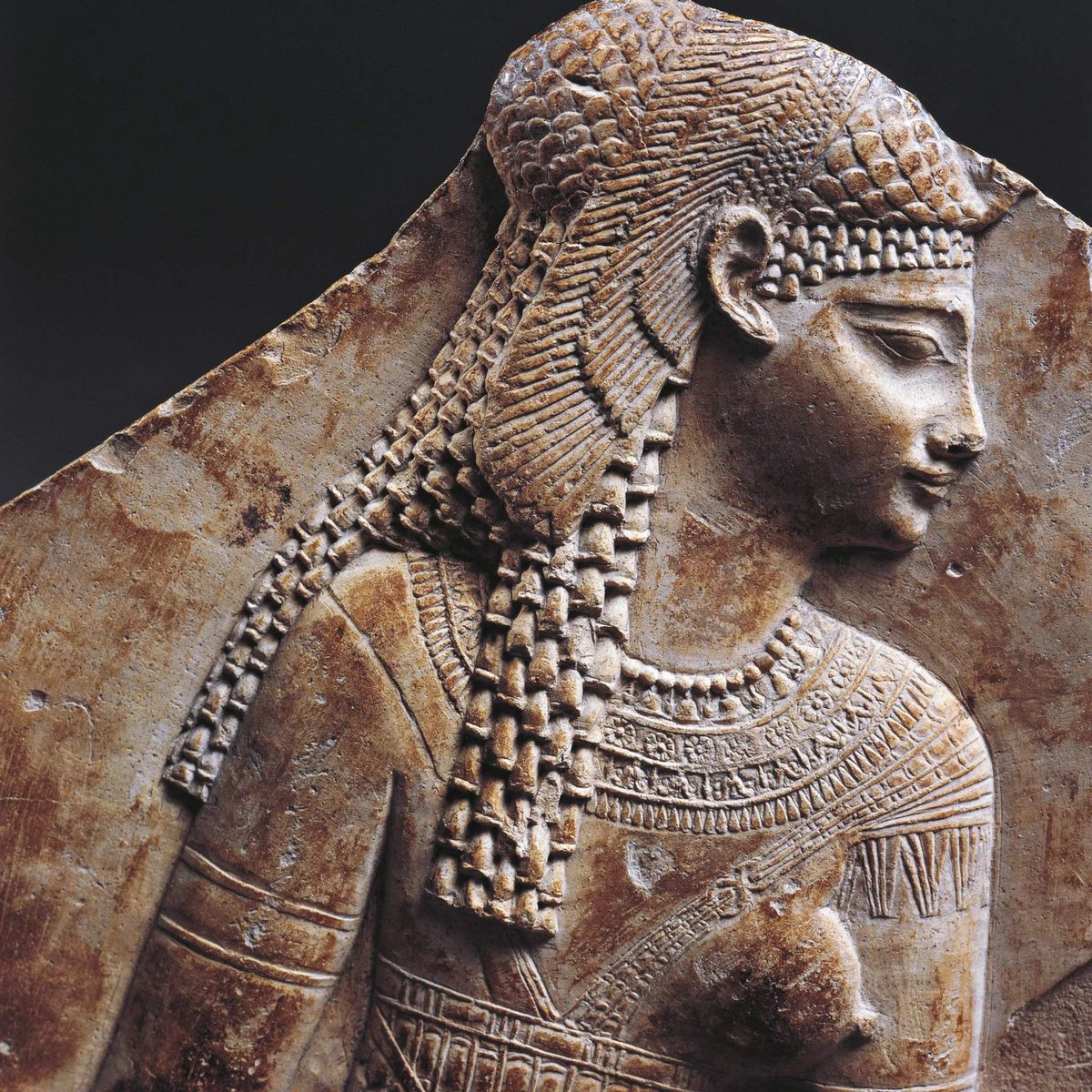
The shadow of an asp, a whispered poison, the defiant gaze of a queen against the might of an empire—the tale of Cleopatra’s death and historical legacy is one that transcends mere history, etching itself into the very fabric of human imagination. More than two millennia have passed since the last pharaoh of Egypt drew her final breath, yet her story continues to captivate, challenge, and inspire. How did a ruler so utterly defeated manage to command such an eternal presence? It's a question that unspools threads of political intrigue, personal tragedy, and the powerful, often subjective, hand of history.
At a Glance: Cleopatra's Enduring Story
- The Circumstances of Death: Cleopatra died in 30 BCE in Alexandria, Egypt, after Octavian (later Augustus) conquered her kingdom.
- The Method Mystery: While tradition points to an asp bite, historical accounts are varied, leaving room for debate about the specific means of her suicide.
- A Strategic Choice: Her death was a calculated act to avoid the humiliation of being paraded as a captive in a Roman triumph.
- End of an Era: Her demise marked the end of the Ptolemaic dynasty and ushered in Egypt’s era as a Roman province.
- A Legacy Forged in Legend: Roman propagandists initially demonized her, but artists, writers, and filmmakers through the ages have transformed her into a multifaceted icon of power, beauty, and tragedy.
- Modern Relevance: Cleopatra remains a powerful symbol, prompting ongoing discussions about female leadership, cultural influence, and the construction of historical narratives.
Cleopatra VII: A Reign Forged in Fire
Before we delve into her dramatic exit, it’s crucial to understand the formidable woman behind the legend. Cleopatra VII Philopator was no mere beauty queen; she was a brilliant, polyglot monarch, educated in the Hellenistic tradition, who inherited a vast but vulnerable kingdom. Born in 69 BCE, she ascended the throne of Egypt in 51 BCE alongside her younger brother, Ptolemy XIII, ruling a realm rich in resources but increasingly overshadowed by the rising power of Rome.
Her reign was a tightrope walk of political maneuvering, civil war, and strategic alliances. She wasn't just managing internal conflicts; she was trying to preserve Egypt’s independence against an encroaching superpower. Her relationships with Julius Caesar and later Mark Antony weren't merely romantic liaisons; they were desperate, high-stakes diplomatic gambits to secure Egypt's future, leveraging personal charisma and intellectual prowess to influence the most powerful men in the world. She aimed to protect her kingdom and dynasty from being swallowed whole by the Roman Republic, a task that ultimately proved impossible. To truly appreciate the scale of her efforts and the context of her final decisions, it's worth taking a deeper look into her early life and reign. Discover Cleopatra's world and the political landscape she navigated.
The Inevitable Fall: Why Cleopatra Chose Her End
The final act of Cleopatra's life was set in motion by the Battle of Actium in 31 BCE. This wasn't just a naval skirmish; it was a devastating defeat for the forces of Mark Antony and Cleopatra against Octavian, Caesar's adopted son and heir. Their combined fleet was routed, and their land forces subsequently crumbled. The battle signaled the irreversible decline of their power and the imminent triumph of Octavian.
With their armies shattered and Octavian's legions closing in on Alexandria, Cleopatra and Antony faced an impossible choice: surrender and humiliation, or a defiant end. For Antony, the path was clear: he took his own life, falling on his sword, though not without some tragic missteps in the process. Cleopatra, however, had always been a pragmatist. She initially attempted to negotiate with Octavian, hoping to preserve some future for her children, particularly Caesarion (her son with Julius Caesar). Octavian, however, had his own agenda. He needed to consolidate his power, and a living, charismatic queen who had birthed an heir to Caesar was a dangerous loose end. His plan was to parade her in his Roman triumph—a public spectacle designed to showcase his victory and solidify his authority.
For a queen who had always commanded respect and projected an image of divine authority, the thought of being dragged through Rome in chains was an unbearable prospect. It would have been the ultimate desecration, a complete stripping of her dignity and power. Her choice to die, therefore, wasn't one of despair in the conventional sense, but a final, powerful act of agency. It was her last stand against Roman dominion, a final assertion of control over her own narrative and destiny. She would deny Octavian the spectacle he craved, ensuring that her end would be on her own terms, preserving a semblance of royal dignity even in defeat.
The Enigmatic Exit: Unpacking Cleopatra’s Death
The story of Cleopatra’s death is perhaps the most iconic part of her legend. The image of the queen, serene in her royal chambers, allowing an asp to deliver a fatal bite to her breast or arm, has been immortalized in art and literature for centuries. But how much of this dramatic narrative is historical fact, and how much is embellished legend?
The Asp Legend vs. Historical Accounts
The primary ancient sources that describe Cleopatra’s death are Plutarch (writing about 100 years after her death) and Cassius Dio (writing about 200 years later). Both accounts broadly align with the idea of suicide by serpent, but they also highlight the ambiguities:
- Plutarch's "Life of Antony": He notes that two of Cleopatra's loyal handmaidens, Iras and Charmion, were found dead beside her. He presents the asp as the most likely cause, detailing the quick, relatively painless death it would provide. However, even Plutarch hints at uncertainty, mentioning that "what really took place was known to no one." He suggests the asp may have been smuggled in a fig basket.
- Cassius Dio's "Roman History": Dio also refers to the asp, often depicting it as symbolic of royalty and divinity. He, too, describes the immediate deaths of her attendants, emphasizing the queen's resolve.
Modern historians and toxicologists, however, have raised compelling questions about the practicality of an asp bite: - Reliability of the Serpent: The Egyptian cobra (often identified as the asp in question) is a large, aggressive snake. While its venom is potent, a single bite isn't always fatal, and a snake might not cooperate with delivering a swift, clean death to three people sequentially. The venom itself can be agonizing, leading to necrosis and a drawn-out end, which contradicts the "peaceful" description.
- Secrecy and Logistics: Cleopatra was under Roman guard. How could a large, venomous snake have been smuggled into her heavily guarded quarters without detection? While the fig basket story is poetic, it's logistically challenging.
Poisons and Symbolic Choices
Given these doubts, many scholars suggest that Cleopatra may have used a fast-acting, potent poison. Ancient Egyptians were sophisticated in their understanding of pharmacology and could have concocted a deadly draught. This would have allowed for a more controlled, certain, and discreet death, consistent with her desire for a dignified end.
However, the enduring power of the asp legend likely stems from its potent symbolism. In ancient Egypt, the cobra was a symbol of divine royalty, protection, and death. It adorned the pharaohs’ crowns (the uraeus) and was associated with powerful goddesses. To choose the asp was not just a means of death; it was a deliberate, powerful statement—a final assertion of her Egyptian identity and divinity against the Roman conquerors who sought to reduce her to a mere mortal captive. It transformed her suicide into a sacral act, aligning her with the gods and her ancestors.
Regardless of the precise method, the core fact remains: Cleopatra chose to die rather than suffer public degradation. It was a final, audacious act that sealed her legend and ensured she would forever be remembered as a queen who ruled her own destiny, even in death.
Immediate Aftermath: Rome's Triumph, Egypt's Transformation
Cleopatra’s death sent immediate ripples across the ancient world, fundamentally altering the political landscape and shaping the future of Egypt.
Octavian's Consolidation of Power
For Octavian, Cleopatra’s suicide was a political godsend. While he was denied the spectacle of parading her in his triumph, her death eliminated the last significant threat to his absolute rule. With Antony defeated and Cleopatra gone, there were no major rivals left to challenge his authority. He meticulously orchestrated his return to Rome, emphasizing his role as the savior of the Republic from the "oriental despotism" of Cleopatra and the "decadence" of Antony. This allowed him to consolidate power, eventually leading to his transformation into Augustus, the first Roman Emperor. Her death was a crucial stepping stone in the birth of the Roman Empire.
Egypt Becomes a Roman Province
Perhaps the most profound immediate impact of Cleopatra’s death was the end of Egypt’s millennia-old independence. For over 300 years, since Alexander the Great, Egypt had been ruled by the Ptolemaic dynasty, a Hellenistic kingdom that maintained much of its Pharaonic splendor and autonomy. With Cleopatra gone, Egypt was annexed as a Roman province.
This wasn't just another conquest; Egypt was treated as Octavian's personal domain. Its immense wealth, particularly its grain supply, became a crucial resource for feeding Rome and its armies, solidifying Octavian's control and preventing other ambitious Romans from gaining a power base there. For the first time in its long history, Egypt was ruled by a foreign power directly, marking the effective end of its ancient imperial tradition.
The Fate of Her Children
Cleopatra had four children: Caesarion (with Julius Caesar), and Alexander Helios, Cleopatra Selene II, and Ptolemy Philadelphus (with Mark Antony).
- Caesarion: As the son of Caesar, he posed the most significant threat to Octavian's legitimacy. Octavian reportedly uttered, "Two Caesars are one too many," and ordered Caesarion’s execution shortly after Cleopatra’s death. This was a ruthless but calculated move to eliminate any potential rival to his claim as Caesar's sole heir.
- Antony's Children: Alexander Helios and Ptolemy Philadelphus likely died young under Roman care, their fates largely unrecorded. Cleopatra Selene II, however, survived. She was brought to Rome, raised in Octavian's household alongside his own children, and later married to Juba II, a client king of Numidia and Mauretania. She became a capable ruler and was instrumental in bringing Egyptian and Roman cultural influences to her kingdom in North Africa, making her an extraordinary figure in her own right. Her survival and subsequent royal marriage are a testament to her resilient spirit, albeit under Roman supervision.
Cleopatra’s death was thus not just an individual tragedy; it was the final chapter in the story of an ancient civilization’s independence and the beginning of a new global order dominated by Rome.
Shaping the Narrative: How History Framed Her
The way we perceive Cleopatra today isn't solely based on archaeological finds or neutral historical records. Much of her image was deliberately crafted by those who came after her, particularly her Roman conquerors, and then continuously reinterpreted through subsequent ages.
Roman Propaganda and the Demonization of Cleopatra
Octavian understood the power of propaganda better than anyone. To legitimize his victory and consolidate his power, he needed to discredit his defeated rivals. Antony was portrayed as weak and seduced, abandoning his Roman duty for an "oriental temptress." Cleopatra, in turn, was painted as a dangerous, decadent foreign queen, a manipulative sorceress who threatened Roman virtue and masculinity.
This narrative served several purposes:
- Justify the War: It presented the conflict as a defense of Roman values against a corrupting Eastern influence, rather than an internal power struggle.
- Elevate Octavian: By defeating such a "wicked" figure, Octavian could cast himself as the moral victor and savior of Rome.
- Neutralize Her Legacy: By stripping her of her political acumen and intelligence, reducing her to a mere seductress, her genuine threat to Roman power could be downplayed.
This Roman perspective profoundly influenced early historical accounts. Writers like Horace, Virgil, and later historians like Plutarch and Dio Cassius, while sometimes striving for balance, couldn't entirely escape the pervasive anti-Cleopatra bias that permeated Roman society. They were, after all, writing for a Roman audience within a Roman framework.
The Myth-Making Begins: From Temptress to Icon
Despite Roman efforts to diminish her, Cleopatra’s story was simply too compelling to be confined to a single, negative portrayal. Even as she was demonized, the very act of demonization elevated her to a figure of immense power and fascination. Her intelligence, ambition, and tragic end ensured she would not fade into obscurity.
Through the centuries, as the Roman Empire declined and new cultures emerged, the lens through which Cleopatra was viewed began to shift. The initial Roman narrative started to blend with romanticized interpretations, fueling an endless cycle of myth-making.
- Medieval Period: During this era, she was often seen through a moralizing lens, a figure whose fall exemplified the dangers of lust and ambition, though still retaining an aura of exotic tragedy.
- Renaissance: With a renewed interest in classical antiquity, Cleopatra was rediscovered, and her story became ripe for dramatic interpretation. Artists and writers began to explore her as a complex figure, acknowledging her power and intellect alongside her perceived flaws. She became a symbol of beauty, allure, and dramatic fate.
This continuous reinterpretation shows how historical figures are not static entities but living narratives, shaped and reshaped by the values, biases, and artistic inclinations of each successive age. Cleopatra, arguably more than any other historical figure, demonstrates this dynamic process, transforming from a Roman villain to a global icon.
The Unfading Echo: Cleopatra's Enduring Legacy
Cleopatra may have died over 2,000 years ago, but her legacy is anything but dead. She remains one of history’s most recognizable and mythologized figures, a powerful symbol whose influence spans across cultures, disciplines, and centuries.
Literature and Drama: The Immortal Queen
It's impossible to discuss Cleopatra's legacy without acknowledging her profound impact on literature. William Shakespeare's Antony and Cleopatra (c. 1607) stands as the quintessential dramatic portrayal, cementing her image as a tragic heroine, a powerful ruler, and a passionate lover. Shakespeare's play is less about historical accuracy and more about exploring themes of love, duty, empire, and human folly, all through the prism of these larger-than-life figures. His Cleopatra is vibrant, capricious, and ultimately defiant, a character so compelling that she overshadows Antony himself.
Beyond Shakespeare, poets like John Dryden (in All for Love) and George Bernard Shaw (in Caesar and Cleopatra) have offered their own interpretations, each adding layers to her complex persona. From tragic queen to shrewd politician, literary figures have continually found new facets to explore, ensuring her story is never truly "finished."
Art and Opera: A Visually Striking Muse
From ancient Roman frescoes (often depicting her negatively) to Renaissance paintings and neoclassical sculptures, Cleopatra has been a constant muse for artists. Painters like Guido Reni, Tiepolo, and Eugène Delacroix have captured her dramatic death, her exotic beauty, and her moments of vulnerability. Each artwork reflects the prevailing aesthetic and cultural sensibilities of its time, but all are drawn to the inherent drama and emotional intensity of her story.
Opera, too, has embraced her. Handel’s Giulio Cesare in Egitto (Julius Caesar in Egypt) features a magnificent and manipulative Cleopatra, whose arias are among the most famous in the Baroque repertoire. These artistic renditions further embed her image in the collective consciousness, often emphasizing her beauty and allure, even when historical accounts suggest her power lay more in her intellect and charisma.
Film and Television: The Glamorous Legend
The 20th and 21st centuries saw Cleopatra brought to life on the silver screen, transforming her into a global superstar. The 1934 film Cleopatra, starring Claudette Colbert, and Cecil B. DeMille’s 1963 epic, starring Elizabeth Taylor, are perhaps the most famous. Taylor’s portrayal, in particular, with its lavish costumes and monumental sets, created an indelible image of the queen—glamorous, commanding, and ultimately doomed. While these films often prioritized spectacle and romance over strict historical accuracy, they solidified Cleopatra’s place as a pop culture icon, influencing how generations perceive her.
Modern television series and documentaries continue to re-examine her, attempting to peel back the layers of myth to reveal the historical woman, often with varying degrees of success. These visual mediums keep her story alive, ensuring she remains relevant to new audiences.
Feminist Icon or Tragic Figure? Modern Re-evaluations
In contemporary discourse, Cleopatra has undergone significant re-evaluation. For some, she is a proto-feminist icon—a powerful woman who ruled a kingdom, commanded armies, engaged in high-stakes diplomacy, and defied patriarchal norms in a male-dominated world. Her ability to navigate political intrigue and her command over the most powerful men of her era make her a compelling figure for those exploring themes of female agency and leadership.
However, others see her as a more tragic figure, ultimately unsuccessful in her overarching goal to preserve Egypt’s independence. Her reliance on Roman male leaders for political survival, and her eventual defeat, can be seen as a cautionary tale of the limitations placed on even the most powerful women in antiquity. Regardless of interpretation, her story continues to spark debates about power, gender, and the challenges of leadership, making her incredibly relevant in today's world.
Cleopatra's legacy isn't static; it's a dynamic tapestry woven from historical fragments, artistic imagination, and evolving cultural values. She remains a symbol of power, beauty, tragedy, and the eternal allure of a queen who dared to stand against an empire.
Navigating the Labyrinth of History: Separating Fact from Fiction
Cleopatra's story is a prime example of how easily historical fact can merge with fiction, propaganda, and romanticized notions. For anyone keen to understand her (or any historical figure) truly, it's essential to develop a critical approach to the narratives presented.
Tips for Critical Engagement with Historical Figures
- Question the Source: Always consider who wrote the account and when. Roman historians like Plutarch and Dio Cassius, while invaluable, were writing decades or centuries after Cleopatra's death, often with a Roman bias and relying on earlier sources (some of which were propaganda). Understand their context and potential agenda.
- Look for Multiple Perspectives: Don't rely on a single narrative. Seek out different historians, archaeologists, and scholars. What do they agree on? Where do they diverge? The discrepancies are often as illuminating as the agreements.
- Distinguish Between Primary and Secondary Sources: Primary sources are firsthand accounts or artifacts from the period (e.g., coins with her image, papyri from her reign). Secondary sources are interpretations by later historians (e.g., a modern biography). Both are valuable, but understand their different roles and levels of immediacy.
- Understand Cultural Context: What was considered normal, moral, or powerful in Cleopatra’s time might be very different from today. Avoid imposing modern values onto ancient actions without understanding the historical context. For example, dynastic marriages and strategic alliances were standard political tools.
- Be Wary of Romanticization: The allure of a dramatic story can often overshadow historical accuracy. Films, novels, and even some historical interpretations often prioritize entertainment value or narrative neatness over the messy realities of the past.
Pitfalls to Avoid: Romanticization and Modern Biases
- The "Hollywood Effect": It's easy to mistake cinematic portrayals (like Elizabeth Taylor's) for historical reality. While entertaining, these films are adaptations, not documentaries, often simplifying complex events and characters.
- Presentism: This is the anachronistic introduction of present-day ideas and perspectives into interpretations of the past. For instance, judging Cleopatra by 21st-century feminist standards without acknowledging the constraints of her era can lead to distorted views. While re-evaluations are healthy, they must be historically grounded.
- Conspiracy Theories: The lack of definitive answers about her death or certain aspects of her life can fuel speculative theories. While academic debate is valid, unsupported claims should be treated with extreme caution.
- The "Great Man/Woman" Theory: While Cleopatra was undoubtedly influential, remember that history is shaped by a confluence of factors—economic, social, environmental—not just the actions of a single individual, no matter how powerful.
By adopting a critical and nuanced approach, you can move beyond the myths and propaganda to appreciate the truly remarkable complexity of Cleopatra VII, one of history's most fascinating figures. Her story isn't just a tale of ancient Egypt; it's a powerful lesson in how history is made, interpreted, and passed down through generations.
Beyond the Serpent: What Her Story Teaches Us Today
Cleopatra's ultimate defeat might seem to overshadow her life’s incredible achievements. Yet, stepping back from the immediate tragedy, her story offers enduring lessons about power, leadership, and the human condition that resonate even in our modern world.
The Dynamics of Power and Geopolitics
Cleopatra's reign was a masterclass in navigating complex geopolitical currents. She understood that Egypt, though wealthy, was a smaller player caught between warring Roman factions. Her alliances with Caesar and Antony weren't about personal preference; they were desperate attempts to maintain a balance of power, using diplomacy, resources, and even personal relationships as strategic tools. Her ultimate failure underscores the brutal realities of imperial expansion and the limitations faced by even the most brilliant leaders when confronted by overwhelming force. It’s a timeless reminder of the constant struggle for sovereignty in a world of competing powers.
The Role of Women in Leadership
In an era largely dominated by men, Cleopatra rose to rule one of the world's most ancient and powerful kingdoms. She commanded respect, spoke multiple languages, authored texts on medicine and cosmetics, and led naval fleets into battle. Her story challenges the historical narrative that often sidelines or diminishes female leaders. It prompts us to consider the unique pressures and expectations placed upon women in power, both then and now, and how they navigate these challenges to assert their authority and vision.
The Art of Diplomacy and Propaganda
Cleopatra was an astute diplomat, capable of charming and influencing the most powerful men of her time. Her legendary charisma was likely a potent blend of intelligence, cultural sophistication, and strategic self-presentation. Conversely, Octavian's successful demonization of her demonstrates the lasting impact of propaganda in shaping public opinion and historical memory. Her story vividly illustrates how narratives are constructed, manipulated, and deployed as instruments of power, a lesson highly relevant in an age of information warfare.
The Ever-Present Tension Between East and West
Her life and death played out at the nexus of the Hellenistic East and the burgeoning Roman West. Cleopatra embodied this cultural fusion, ruling as an Egyptian pharaoh within a Greek dynasty, engaging with Roman leaders, and incorporating various influences into her court. Her story, and the Roman perception of her, often highlights the historical tension and cultural misunderstandings between these two spheres—a dynamic that continues to echo in various forms across the globe.
Cleopatra’s existence, though brief and ultimately tragic in its political outcome, was a testament to human resilience, intellect, and an unyielding will to survive. Her legacy isn't just about a queen and an asp; it's a profound exploration of what it means to lead, to fight for one's homeland, and to leave an indelible mark on the course of history, even when the odds are stacked against you.
A Legacy Etched in Eternity
Cleopatra VII Philopator, the last pharaoh of Egypt, died defying an empire, choosing her own end rather than enduring humiliation. Her death was the final punctuation mark on a remarkable life and the end of a dynasty, ushering Egypt into a new Roman era. Yet, paradoxically, her demise cemented her immortality. From Roman propaganda that demonized her, to Shakespeare's tragic queen, to Hollywood's glamorous icon, her story has been continually remade, reflecting the values, fears, and fascinations of each successive age.
The enduring mystery surrounding her exact cause of death, the sheer drama of her life, and her position as a powerful woman navigating a male-dominated world ensure that Cleopatra will continue to be a subject of fascination. She teaches us not only about ancient history but also about the power of narrative, the construction of legacy, and the complex, often contradictory, ways we interpret the past. Her story serves as a vivid reminder that even in apparent defeat, some figures rise to become eternal symbols, their influence rippling through time, shaping our understanding of leadership, gender, and the relentless march of history.